
How Cruz Roja Venezolana Built a Digital EOC for the Earthquake Response
Read time: - minutes
How Venezuelan Red Cross Built the Digital Backbone of a National Earthquake Response
In late June 2026, a major earthquake struck Venezuela, devastating the coastal region of La Guaira and parts of Caracas. Within hours, Cruz Roja Venezolana — Venezuela's Red Cross — activated a national humanitarian response. Within days, they had a digital command center running.
This is the story of how they did it.
Moving Fast When It Counts
A sudden-onset earthquake of this scale demands new things: a way to coordinate thousands of volunteers, hundreds of field activities, thousands of affected people — simultaneously, in real time, across several cities.
The president of Cruz Roja Venezolana had been preparing for this kind of moment. Two years into the role — ten years a volunteer before that — he had taken office with a specific ambition: to rebuild the organization and modernize it. He knew it would take time. Then the earthquake hit.
Within hours of the quake, he received a message from monday.com's Emergency Response Team offering support.
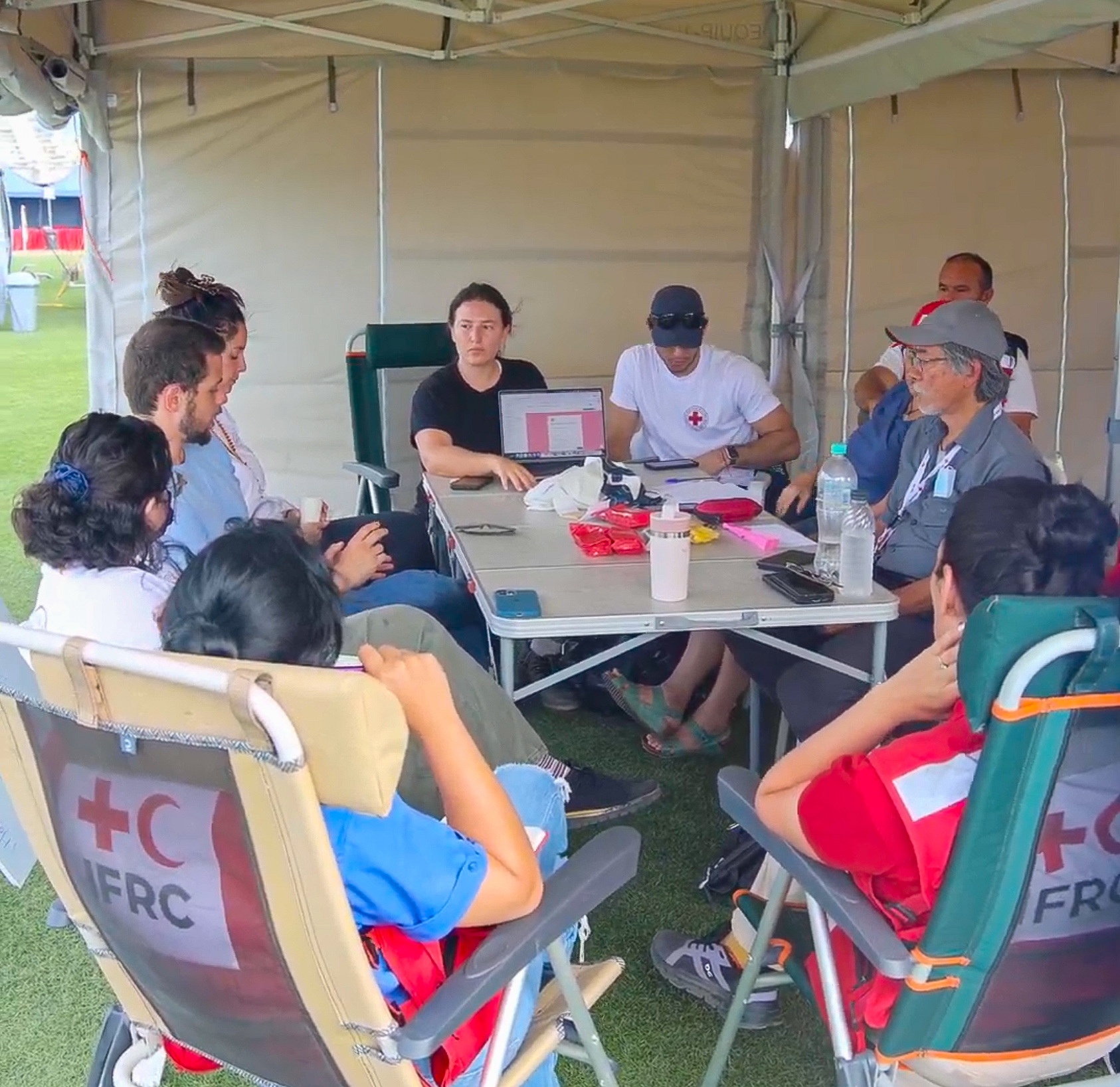
"By that time, I already knew that this was a total disaster," he recalls. "And I said, of course — anything that could help. We had the digital transformation in our heads, but not this good and fast as I could imagine. And then the ERT was in, 72 hours already in Caracas, with our team, in the operation room." Luis Farias, Venezuelan Red Cross President

Rather than defaulting to spreadsheets and WhatsApp groups, Cruz Roja made a decision that would shape everything that followed: they chose to build a structured digital system from the ground up.
What Cruz Roja Built
Coordinating field activities in real time. Every field mission was logged — what the activity was, which team was responsible, the location, who was accountable, and what happened afterward. Every activity went through an authorization workflow before anyone deployed. Teams across Health, Logistics, WASH, Distribution, Psychosocial Support, and more — all working from the same operational picture.
Knowing who is available — and where. Volunteers were registered by name, profession, blood type, and availability. Cruz Roja rebuilt the daily attendance board every single day — tracking every volunteer's check-in, role, and assigned zone.
Making the work visible. A large touchscreen in the operations room gave coordinators a live picture of the entire response — and when donors and government officials walked through, everything was there.
"I just opened my computer and said, 'Okay, what numbers do you want?' And all the numbers they wanted were there. Partners couldn't believe we can show so fast, showing such critical numbers that are about a humanitarian operation." Luis Farias, Venezuelan Red Cross President
A Response That Grew Bigger Than Expected
Before the earthquake, Cruz Roja Venezolana had 4,000 volunteers. By the time the acute phase ended, they had received nearly 20,000 applications to join.
"It's huge in terms of what we were used to," the President says. "And this has come in the perfect time."
The ERT team was on the ground for a full month together with GB Advisors — a monday.com partner that donated a full-time employee entirely pro bono — joined to continue supporting Cruz Roja's digitization journey long after the acute phase ended. It's the kind of thing that happens when a community of people decides to show up.
What This Is Really About
The Venezuelan Red Cross president is clear about what all of this is for.
"For me, the use of monday.com is people being assisted — people receiving help from the Red Cross."
Two years into the job. The modernization he imagined when he took office, arriving faster and more completely than he thought possible.
4,000+ families reached. 4,800 medical attendances recorded. 1,200 volunteers mobilized — and counting.
The monday.com Emergency Response Team provides digital tools and implementation support to humanitarian NGOs and governmental agencies during crises — at no cost for the duration of the emergency. Learn more at mondayert.org.